
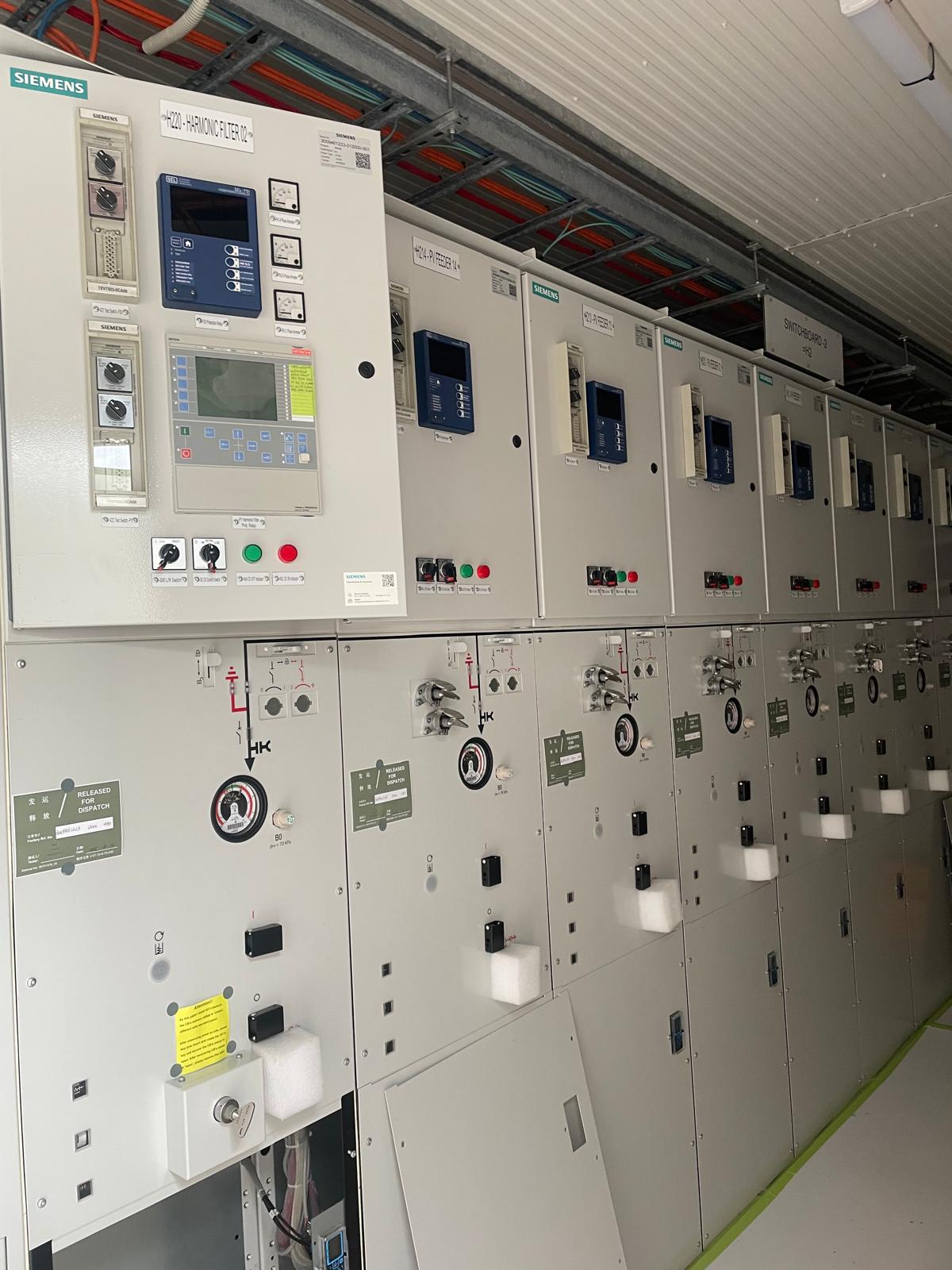
Five signs your Industrial Controls need an upgrade.
Industrial control systems rarely fail overnight. More often, they wear down slowly. A few extra minutes of downtime here, a nuisance there, until one day the cost of “just keeping it running” is higher than the cost of upgrading it in the first place.
If your facility relies on ageing control systems, it can be hard to know exactly when to call in the experts versus when to patch things up and carry on. Below, we break down five clear warning signs that it’s time to consider an industrial controls upgrade and why acting early usually saves you more than it costs.
1. Downtime is becoming more frequent (and more unpredictable)
A little downtime for scheduled maintenance is normal. Unplanned downtime that keeps creeping up in frequency is not.
Older control systems, particularly those built around outdated PLCs, obsolete relay logic, or components that are no longer manufactured, tend to fail more unpredictably as they age. If your maintenance team is spending more time firefighting than fixing, or if the same faults keep resurfacing under different symptoms, that’s a strong sign the underlying control architecture is struggling to keep up with your operation.
Why it matters: Every hour of unplanned downtime has a direct cost. Lost production, idle labour, and missed deadlines. A modern control system, properly specified for your process, dramatically reduces the frequency and unpredictability of these events.
2. Spare parts are getting harder (and more expensive) to find
If your maintenance team is sourcing parts from discontinued product lines, paying inflated prices for legacy components, or relying on eBay and secondhand suppliers to keep a system alive, you’re already operating in risk territory.
Manufacturers eventually stop supporting older PLCs, drives, and HMIs. Once that happens, every breakdown becomes a race against time and every day without replacement parts is a day of production risk.
Why it matters: Obsolescence doesn’t just affect cost; it affects resilience. A single failed, unobtainable component can bring an entire line to a standstill for days or weeks.
3. You have little to no visibility over your process
Modern control systems don’t just run equipment; they give you data. If you can’t easily see real-time performance, energy usage, fault history, or production trends from your control system, you’re missing opportunities to improve efficiency and catch problems before they escalate.
Many older systems were never designed with data visibility in mind. Upgrading control systems and integrating modern SCADA or HMI platforms opens the door to better decision-making, predictive maintenance, and tighter process control.
Why it matters: You can’t optimize what you can’t see. Improved visibility often pays for the upgrade many times over through efficiency gains alone.
4. Safety and Compliance requirements have moved on
Standards evolve. Safety systems that were compliant a decade ago may no longer meet current regulations, insurance requirements, or best practice guidelines. If your control systems haven’t been reviewed against current compliance and safety audit standards recently, there’s a real risk of falling behind, sometimes without even realising it.
This is particularly relevant for facilities handling high voltage switching, substations, or industrial automation systems, where the margin for error is minimal and the consequences of non-compliance can be serious.
Why it matters: An upgrade is also an opportunity to bring your systems up to current safety and compliance standards, protecting your people, your equipment, and your business.
5. Your business has outgrown the system
Perhaps the clearest sign of all: your operation has grown, changed, or diversified, but your control systems are still built for how things used to run. Manual workarounds, bolted-on modifications, and “temporary” fixes that became permanent are all signs that the original system was never designed for its current workload.
As production scales up, product lines change, or new equipment gets added, control systems that once fit perfectly can quickly become a bottleneck.
Why it matters: A properly scoped upgrade isn’t just about fixing what’s broken. It’s about designing a system that supports where your business is headed, not just where it’s been.
Upgrading doesn’t have to mean starting from scratch
A full control overhaul isn’t always necessary. In many cases, a targeted upgrade; new PLCs, improved HMIs, better integration between systems, or a staged migration plan, can deliver major gains in reliability, visibility, and safety without a full shutdown or ground-up rebuild.
The key is getting an experienced set of eyes on your current setup before a small issue becomes a costly one.
Talk to YEP about your Industrial Controls
At YEP (Your Electrical Partner), we work across industrial control systems and automation for clients throughout regional and metropolitan Victoria. From consultation and design through to delivery, commissioning, and ongoing support. If any of the signs above sound familiar, it’s worth having a conversation before the next breakdown forces the issue.
📞 Call: 1300 GET YEP (1300 438 937)
📧 Email: info.yepservices@gmail.com
📍 Based in: Benalla, Victoria, 3672
👉 Get in touch with YEP to discuss your industrial controls upgrade.