
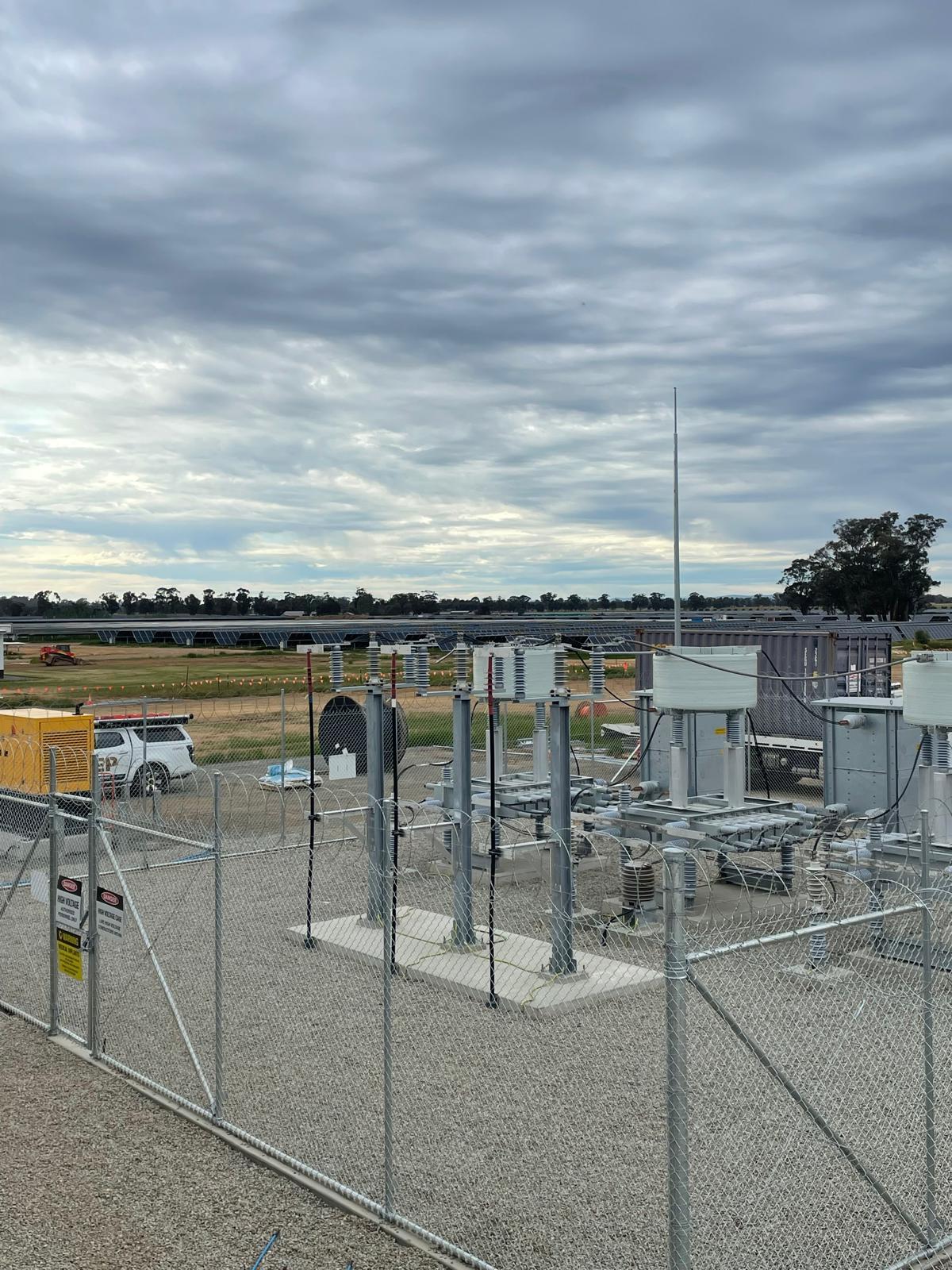
Renewable energy projects, solar farms in particular, go through multiple stages before a site is fully operational: construction, testing, commissioning, and finally, handover to the client or operator. Of all these stages, handover is often treated as the formality at the end of the project. In reality, it’s one of the most important safety checkpoints on the entire site.
A rushed or incomplete handover doesn’t just create administrative headaches, it can leave safety risks buried in a project that otherwise looked complete. At YEP, we treat handover as a core part of safe project delivery, not a box to tick once the real work is done.
Here’s what that looks like, and why it matters.
Why handover deserves the same rigour as construction
By the time a renewable site reaches handover, there’s often pressure to close the project out and move on, deadlines have been tight, budgets are being finalised, and everyone wants to see the site energised and operating. But this is exactly the point where shortcuts create the most risk.
A safe handover confirms that everything built, tested, and commissioned during the project actually functions as intended and that the people taking over the site have everything they need to operate and maintain it safely from day one.
Skipping or rushing this stage can leave:
- Undocumented changes made during construction or commissioning
- Safety systems that were tested individually but never verified end-to-end
- Site personnel without the training or documentation needed to respond safely to faults
- Compliance gaps that only surface during a future audit or incident
What a genuinely safe handover includes
- A thorough handover process on a renewable site should go well beyond a final walkthrough. At minimum, it should cover:
- Complete and accurate documentation: as-built drawings, switching schedules, test results, and commissioning records that reflect exactly what was built, not just what was originally designed.
- Verified high voltage switching and isolation procedures: confirming that switching sequences and isolation points are clearly documented, correctly labelled, and understood by whoever will be operating the site.
- End-to-end safety system testing: protection systems, earthing, and emergency shutdown procedures tested together, not just as isolated components.
- Clear compliance and safety audit records: evidence that the site meets current standards, properly filed and accessible, not scattered across email threads and site folders.
- Operator training and site familiarisation: making sure the people who will be responsible for the site day-to-day genuinely understand its layout, its risks, and its procedures not just handed a folder of paperwork.
Why this matters even more on large-scale renewable sites
Solar farms and other large-scale renewable developments bring a level of electrical complexity that smaller commercial projects don’t. High voltage switching, substations, and large-scale automation systems all need to work together reliably, and safely, for the lifetime of the asset.
Because these sites are often unmanned or lightly staffed day-to-day, the margin for error at handover is smaller than on a site with people on hand every day to catch problems early. A gap in documentation or an unclear isolation procedure might not surface for months, until the day someone needs it in an emergency.
This is also why ongoing site support matters. A handover shouldn’t be the last conversation a contractor has about a site; the best outcomes come from contractors who remain a point of contact for troubleshooting and support well after energisation.
Building safety into the whole project, not just the end
The safest handovers aren’t the result of a good final week, they’re the result of good practice throughout the entire project. That means:
- Documenting changes as they happen, not trying to reconstruct them at the end
- Testing systems progressively during construction and commissioning, rather than leaving everything to a final push
- Maintaining clear communication between design, delivery, and the client throughout the project
- Treating compliance and safety audits as an ongoing discipline, not a final hurdle
When a project is run this way, handover becomes a confirmation of good work already done, not a scramble to pull everything together at the last minute.
A culture of ownership, from design to delivery
At YEP, our involvement in renewable projects often spans consultation and design input right through to delivery, commissioning, and ongoing site support. That continuity is deliberate, it means the same team that understands a site’s design intent is also responsible for making sure it’s handed over safely and correctly.
This kind of end-to-end ownership is what allows genuine accountability at handover, rather than a final sign-off from a team encountering the site for the first time.
Talk to YEP about your renewable project
At YEP (Your Electrical Partner), we support renewable energy and solar farm projects across regional and metropolitan Victoria; from early design input through to delivery, commissioning, and safe, thorough handover. If you’re planning a renewable project and want a partner who takes handover as seriously as construction, we’d love to talk.
📞 Call: 1300 GET YEP (1300 438 937)
📧 Email: info.yepservices@gmail.com
📍 Based in: Benalla, Victoria, 3672
👉 Get in touch with YEP to discuss your renewable energy project.